📞 Call us: +91 7721099005 WhatsAppChat Now 📍 Find us
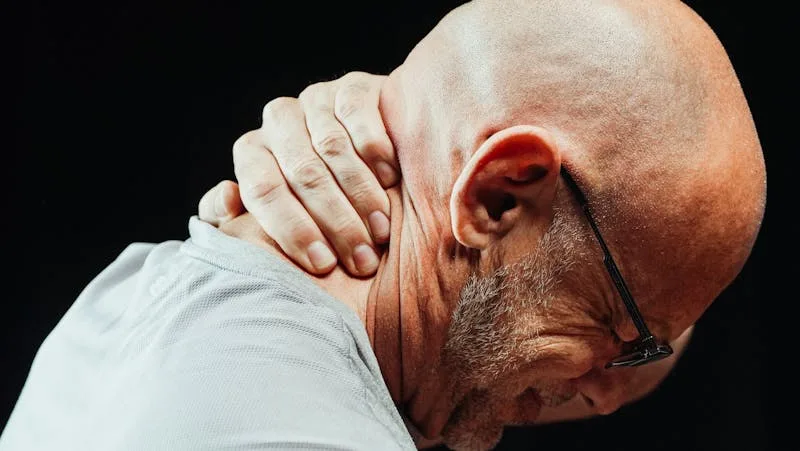
Neck pain and cervical spondylosis treatment at Rebalance Clinic Whitefield Bangalore

Neck Pain & Cervical Spondylosis in Whitefield, Bangalore

Neck pain is one of the most common complaints in today's screen-heavy lifestyle — especially in Whitefield's IT corridor where professionals spend 8–10 hours daily at computers. When neck pain becomes chronic, it's often labelled cervical spondylosis — a degenerative condition affecting the cervical spine's discs and joints. But the good news: physiotherapy is highly effective for both acute neck pain and cervical spondylosis.

At Rebalance Physiotherapy Clinic in Whitefield, we treat hundreds of neck pain patients — from IT professionals with text neck to older adults with cervical spondylosis — using targeted manual therapy, exercises, and ergonomic interventions that address the root cause.

What is Neck Pain & Cervical Spondylosis?

Neck pain can arise from multiple sources — muscle strain, poor posture, disc problems, joint stiffness, or nerve compression. Cervical spondylosis specifically refers to age-related wear of the cervical spine — disc dehydration, bone spurs, and joint degeneration. Common associated symptoms include:

  • Stiffness — difficulty turning the head or looking up/down
  • Headaches — tension headaches originating from the neck (cervicogenic headaches)
  • Radiating arm pain — numbness or tingling in the arm/hand from nerve compression (cervical radiculopathy)
  • Grinding or crepitus — crackling sounds with neck movement

Physiotherapy addresses both the symptoms and the underlying mechanical dysfunction causing them.

Who Needs Neck Pain & Cervical Spondylosis?

  • IT professionals with chronic neck stiffness and pain from prolonged screen time
  • People diagnosed with cervical spondylosis on X-ray or MRI
  • Individuals with frequent tension headaches or migraines with a neck component
  • Anyone experiencing arm pain, numbness, or tingling originating from the neck
  • People with “text neck” — forward head posture from phone and laptop use
  • Older adults with neck stiffness and reduced movement from degenerative changes

Benefits of Neck Pain & Cervical Spondylosis

  • Rapid pain relief — manual mobilisation and soft tissue techniques reduce neck pain and stiffness quickly
  • Headache reduction — treating the neck often resolves cervicogenic headaches without medication
  • Restored neck mobility — regain the ability to turn, look up, and move freely
  • Posture correction — address the root cause of most desk-related neck problems
  • Arm symptom resolution — nerve mobilisation and spinal techniques relieve radiating arm pain
  • Prevention of progression — strengthening and posture work prevent spondylosis from worsening

What to Expect During Treatment

Assessment includes cervical range of motion testing, manual joint assessment, neurological screening (if arm symptoms are present), postural analysis, and workplace ergonomic discussion. We identify the specific structures causing your pain.

Treatment combines cervical joint mobilisation, soft tissue release, dry needling for trigger points, neck strengthening exercises (deep cervical flexor training), postural correction, and ergonomic advice for your desk setup. Sessions are typically 2–3 times per week initially, reducing as you improve. Most patients see significant improvement within 3–6 weeks.

Why Choose Rebalance for Neck Pain & Cervical Spondylosis?

  • Dr. Vaishnavi treats dozens of neck pain patients every month — this is one of our most common conditions
  • Desk-worker focused — we understand the specific ergonomic challenges of IT professionals
  • Multi-modal approach — mobilisation, dry needling, exercises, and ergonomic advice
  • Located in AECS Layout, Whitefield — right in the heart of Bangalore's tech hub

Frequently Asked Questions

Can cervical spondylosis be cured?

Cervical spondylosis is a degenerative condition, so the structural changes (disc dehydration, bone spurs) cannot be reversed. However, physiotherapy can very effectively manage symptoms — reducing pain, restoring mobility, and preventing progression. Many patients with spondylosis live completely pain-free with regular exercise and good posture habits.

Is neck cracking or crepitus dangerous?

Cracking or grinding sounds in the neck are very common, especially with cervical spondylosis, and are usually harmless. They're caused by gas bubbles in joint fluid or roughened joint surfaces. However, if cracking is accompanied by pain, dizziness, or arm symptoms, you should get it assessed.

Can physiotherapy help with headaches caused by neck problems?

Absolutely. Cervicogenic headaches (headaches originating from the neck) respond very well to physiotherapy. By treating the stiff neck joints, tight muscles, and trigger points that refer pain to the head, many patients experience dramatic headache reduction — often better than with medication alone.

How should I set up my desk to prevent neck pain?

Keep your monitor at eye level (top of screen at eye height), arms at 90 degrees, feet flat on the floor. Use a separate keyboard and mouse if using a laptop. Take a break every 30 minutes to move your neck. Your physiotherapist can provide a detailed ergonomic assessment specific to your setup.

I was told I have a disc bulge in my neck — do I need surgery?

Most cervical disc bulges improve with physiotherapy — surgery is typically only needed for severe cases with progressive weakness or spinal cord compression. Physiotherapy using manual therapy, nerve mobilisation, and specific exercises can effectively reduce pain and restore function in the majority of cases.

Related Services

Ready to Start Your Recovery?

Book an appointment today and take the first step toward pain-free living.

Book Consultation

Or call us: +91 7721099005