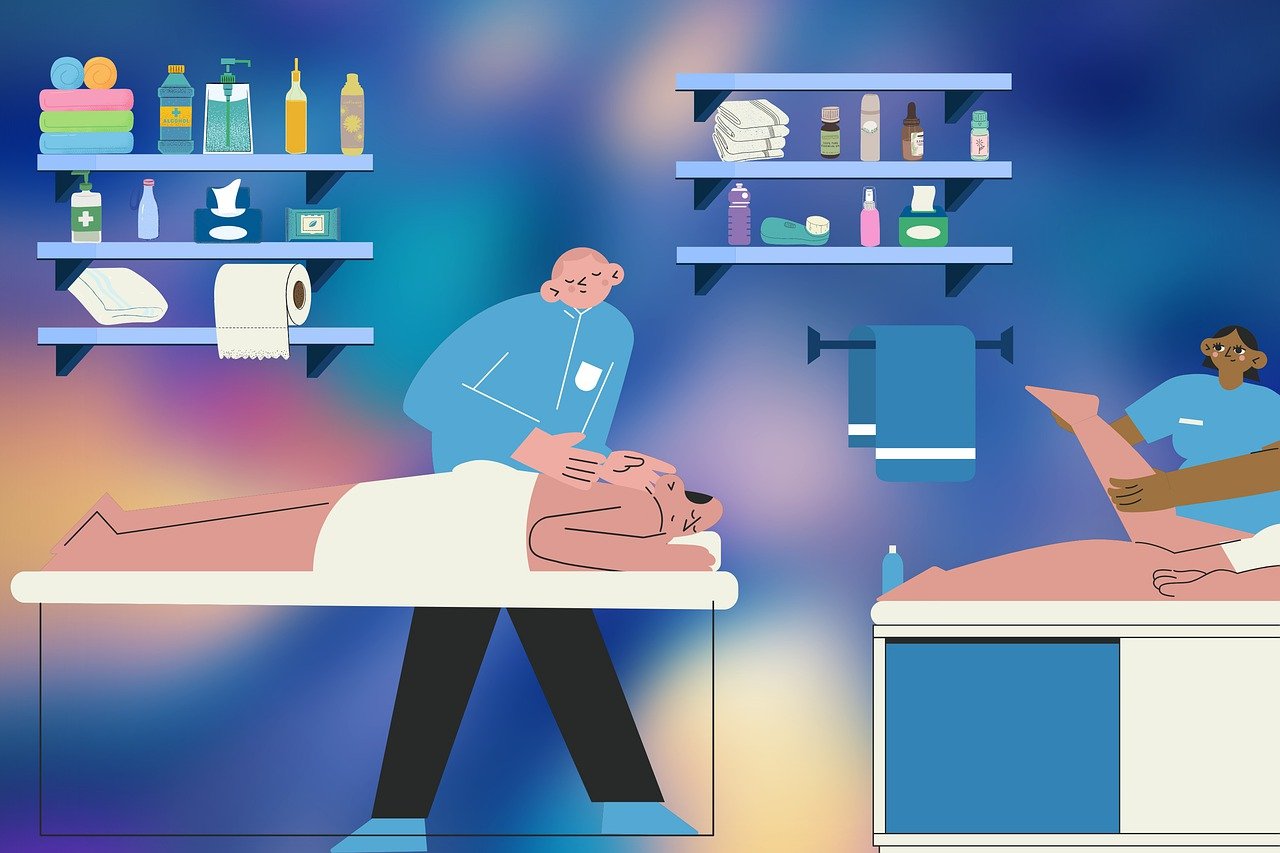
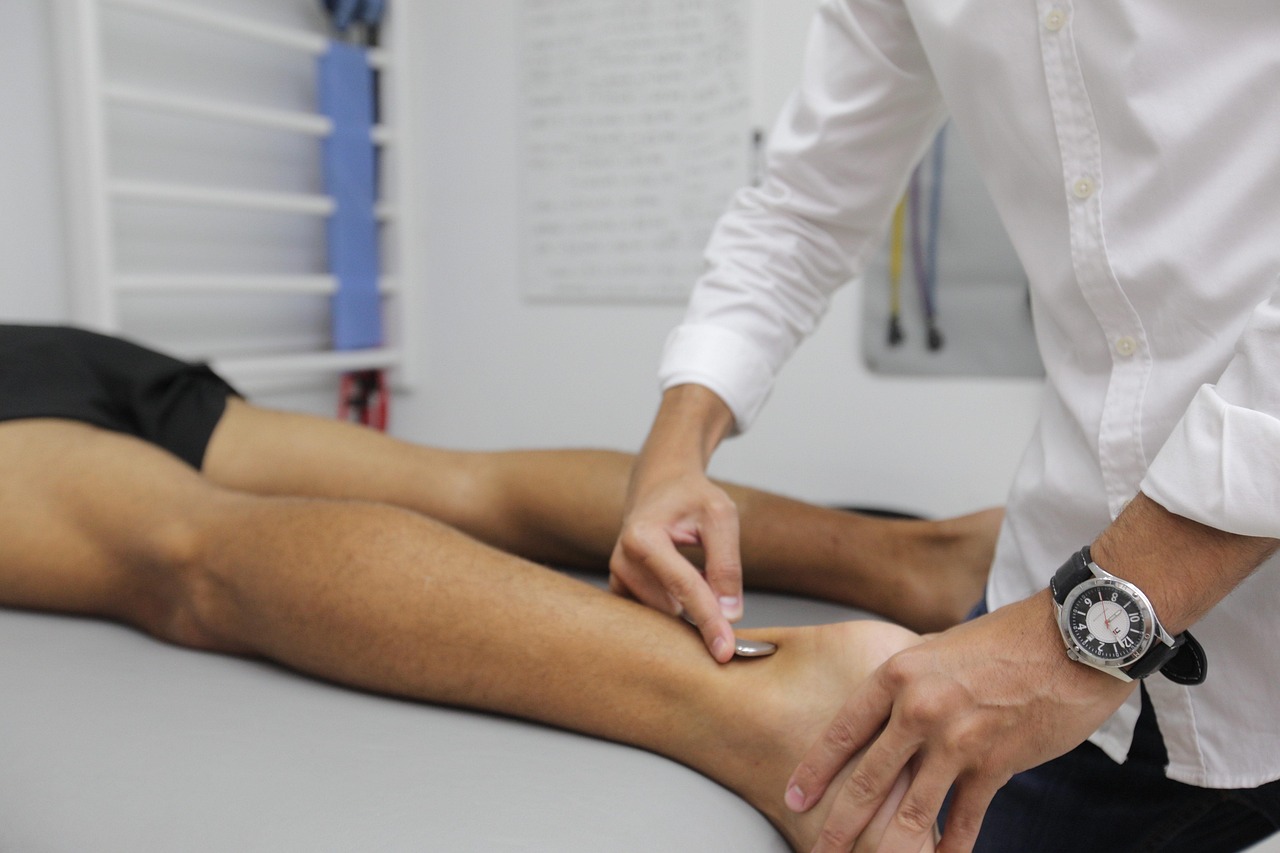
Improves Mobility: If you're having trouble walking, moving, or standing—regardless of age—physiotherapy can help. Therapeutic exercises, stretching, and manual therapy techniques help restore movement and functionality.
Reduces or Eliminates Pain: Hands-on treatments like joint mobilization, dry needling, cupping, and modalities such as ultrasound or electrical stimulation can relieve pain and restore muscle and joint function.
Prevents Future Injuries: Physiotherapists assess your movement patterns to identify potential injury risks. Preventive strategies, strengthening routines, and correctional posture techniques are then implemented to safeguard your body.
Enhances Balance and Coordination: Falls are a major concern as people age. Physiotherapy includes balance and gait training, helping to improve stability and prevent falls.
Manages Chronic Health Conditions: For conditions like arthritis, diabetes, fibromyalgia, or neurological disorders, physiotherapy helps manage symptoms and improve quality of life through sustainable movement and strength-building practices.
‘Movement is a medicine for creating change in a person’s physical, emotional, and mental states.’ – Carol Welch